
Attendance: $80–$180
The figure that gets a licensed plumber to the door and the first work under way. It should be quotable over the phone, every time.
Hot water that has given up, a mixer that drips, a toilet that runs, a leak showing on a wall, a gas appliance that needs connecting properly. All of it is licensed work, all of it is what we do, and you get the number before anyone picks up a tool.
Licensed plumbing covers far more than most people picture. Water supply and drainage inside the property, hot water units and their valves, tapware and toilets, gas appliance connections, stormwater pits and downpipes, and every fixture position behind a renovation are all inside it, and all of it carries a licence requirement in NSW.
Knowing that is genuinely useful when you are choosing who to call. A handyman may not legally touch gas, and stormwater is plumbing rather than landscaping. Asking for a licence number before anyone starts takes thirty seconds and rules out the jobs that have to be done twice.
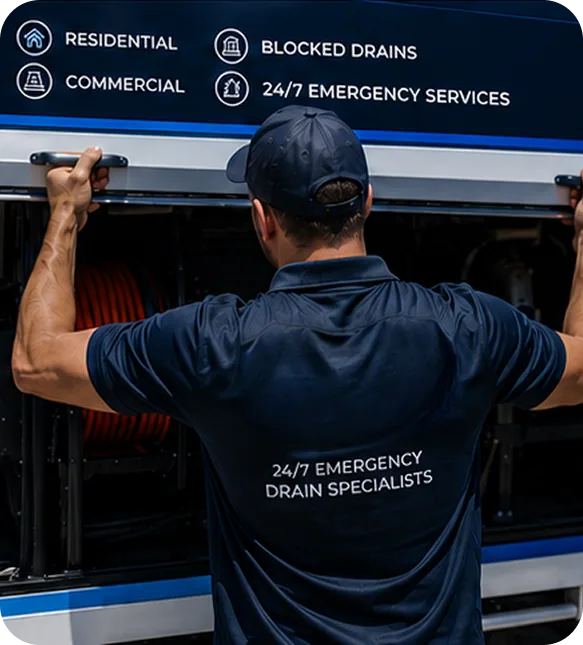

Campsie’s many unit blocks share drainage lines, so a single blockage affects several dwellings, it needs a camera to diagnose and the right access to clear.
In a strata building the dividing line is usually whether the pipework serves your lot alone or more than one. A branch inside your walls feeding only your bathroom is generally yours; the stack it joins, and anything in common property, generally is not.
Getting that settled before the work starts is what stops an invoice becoming an argument. We are used to writing it up so the strata manager has what they need, and we would rather spend ten minutes on it up front than have you chasing reimbursement for a month.
The eateries and takeaways along the Beamish Street strip send fats and oils into the sewer, where they harden and choke lines. We jet them clean and keep them clear.
A shop, café or clinic has constraints a house does not: a health standard to hold, staff arriving at a fixed time, and revenue that stops the moment the doors do not open. Most of what we do for local businesses is therefore scheduled outside trading hours by choice, not by emergency.
If you run a food premises, the honest conversation is about intervals. A grease line jetted on a schedule is cheaper than the same line cleared at emergency rates twice a year, and it does not close you on a Friday night.
Ground close to the water holds more of it, sits lower and moves more than ground further up. Over decades that shows up as joints that have opened slightly, falls that have flattened and lines that silt where they once ran clean.
Low-lying ground toward the Cooks River can flood when stormwater pits and lines block in heavy rain. We clear them and restore proper drainage fast.
None of that is urgent by itself. It is the reason a fault here often turns out to be the last stage of something that has been developing quietly for years, and why looking inside the line is worth more than clearing it and leaving.
The moment worth planning for is a renovation. New fixtures, a second bathroom or a kitchen moved to the other side of the house all put more through a line that was sized and laid for a smaller household.
Older homes off the main strip still run brittle clay and earthenware pipework prone to cracks and root entry. CCTV shows us exactly what’s going on below.
A camera run before the tiler starts costs a fraction of what it costs afterwards, and it is the difference between finding a sagging section while the slab is open and finding it through a finished floor. If you are getting quotes for a bathroom, get this done in the same fortnight.
The most useful thing a plumber can give a keen gardener is the run of the sewer and the stormwater across the block. Once you know where the lines sit, the planting decisions make themselves and the next twenty years get considerably cheaper.
As a rough guide: nothing thirsty within about three metres of a sewer line, and nothing at all directly over an inspection opening you may one day need to reach. We will mark it out while we are there if you ask.
The figure that gets a licensed plumber to the door and the first work under way. It should be quotable over the phone, every time.
Where most local plumbing sits once attendance is covered. Nights, weekends and public holidays carry a premium, and always have.
The bracket most single-fixture jobs land in: tapware, a toilet, a failed valve, hoses replaced before they let go.
Repairing a unit with service life left in it. Replacing one is a separate quote and depends entirely on the model and location.
Rough-in, gas lines and excavation are quoted as a job rather than an hour, and the figure does not move once you have accepted it.
These are market ranges, not our quote. The price for your job is agreed before anything begins. Figures here are indicative of the 2026 Sydney market rather than a quote from us, you get your own number as a fixed price before any work starts.

One call reaches someone who can tell you what it probably is and what it is likely to cost, including when the honest answer is that it can wait until the week.
The nearest available crew covers Campsie and the streets around it, stocked for the faults this housing stock actually produces rather than a generic van fit-out.
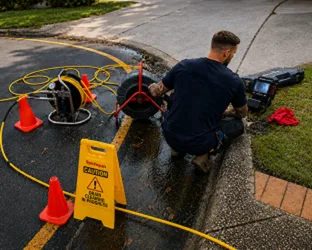
You see what failed and why, and you get one fixed number covering the repair. If opening it up changes the job, you hear that then and not later.

Completed, tested, tidied, and documented where NSW requires a compliance certificate for the work carried out.
Describe it and we will tell you whether it is a plumber, a gasfitter or neither, and whether it is worth doing today or booking for the week.
The questions that come up on the phone most often, answered properly.

Call for the fastest answer, or send the form and a local plumber will come back to you with a time rather than a sales call.

Leave your details and our local Campsie team will call you back fast.